Federal Reserve's Regulatory Action Against Customers Bank: A Wake-Up Call for Crypto Firms
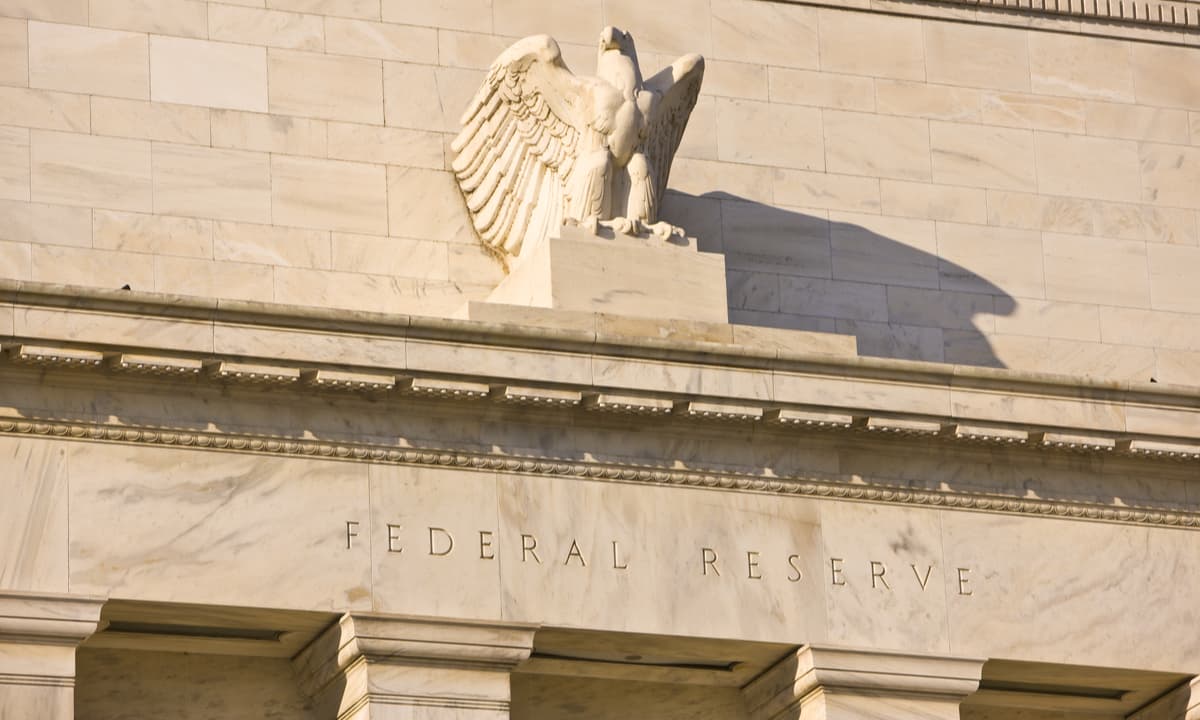
The Crypto Banking Dilemma: Customers Bank Faces Regulatory Scrutiny
Despite the decentralized nature of cryptocurrencies, Web3 businesses still require banking partners. Recently, Customers Bank, one of the few crypto-friendly banks in the U.S., was hit with a 13-page regulatory enforcement action by the Federal Reserve. This highlights the balancing act that financial institutions must perform between innovation and compliance.
The Shrinking Landscape of Crypto-Friendly Banks
Following the closures of Silvergate Bank and Signature Bank last spring, Customers Bank emerged as a key partner for crypto businesses, reportedly collaborating with hundreds of firms, including major exchanges and stablecoin issuers. Currently, 15% of Customers Bank's deposit base comes from its digital asset business.
However, the bank now faces stringent conditions, including providing the Fed with 30 days of written notice before engaging in any new initiatives related to crypto. They must also enhance their risk management practices and ensure that personnel responsible for these practices possess adequate expertise.
Compliance Challenges in the Crypto Sector
The Fed's enforcement action underscores the regulatory challenges faced by crypto firms. While cryptocurrencies operate outside the traditional banking framework, they still rely heavily on bank partnerships. This reliance creates a tension between the decentralized nature of crypto and the structured requirements of traditional finance.
Tyler Winklevoss, founder of Gemini, expressed concerns on social media, emphasizing that the Fed now acts as a gatekeeper for crypto companies seeking banking services.
The Regulatory Environment: A Double-Edged Sword
The regulatory landscape is one of the most significant barriers for crypto firms. Many banks are cautious about engaging with crypto businesses due to fears of running afoul of anti-money laundering (AML) and know-your-customer (KYC) regulations. The lack of clarity from regulators contributes to this caution, making it difficult for crypto companies to establish banking relationships.
Operational and Technical Hurdles
Beyond regulatory issues, operational challenges also exist. Integrating crypto firms into traditional banking systems requires considerable investment and expertise. Many banks are not equipped to handle digital assets, and the rapid pace of the crypto industry often clashes with the slower, more cautious approach of traditional banks.
The Path Forward: Embracing Innovation
Despite these challenges, research from PYMNTS Intelligence suggests that cross-border payments using cryptocurrencies could be a key area of growth. Blockchain solutions, especially stablecoins, are gaining traction among firms looking to expand internationally.
In conclusion, while the Federal Reserve's enforcement action against Customers Bank serves as a cautionary tale, it also opens up discussions about the future of crypto banking and the potential for innovation in this sector.
- #customersbank
- #federalreserve
- #cryptoregulations
- #digitalassets
- #bankingpartnerships
Comments · 0