Why Africa’s De-Dollarization Efforts Are Stalling: The Trust Deficit in National Currencies
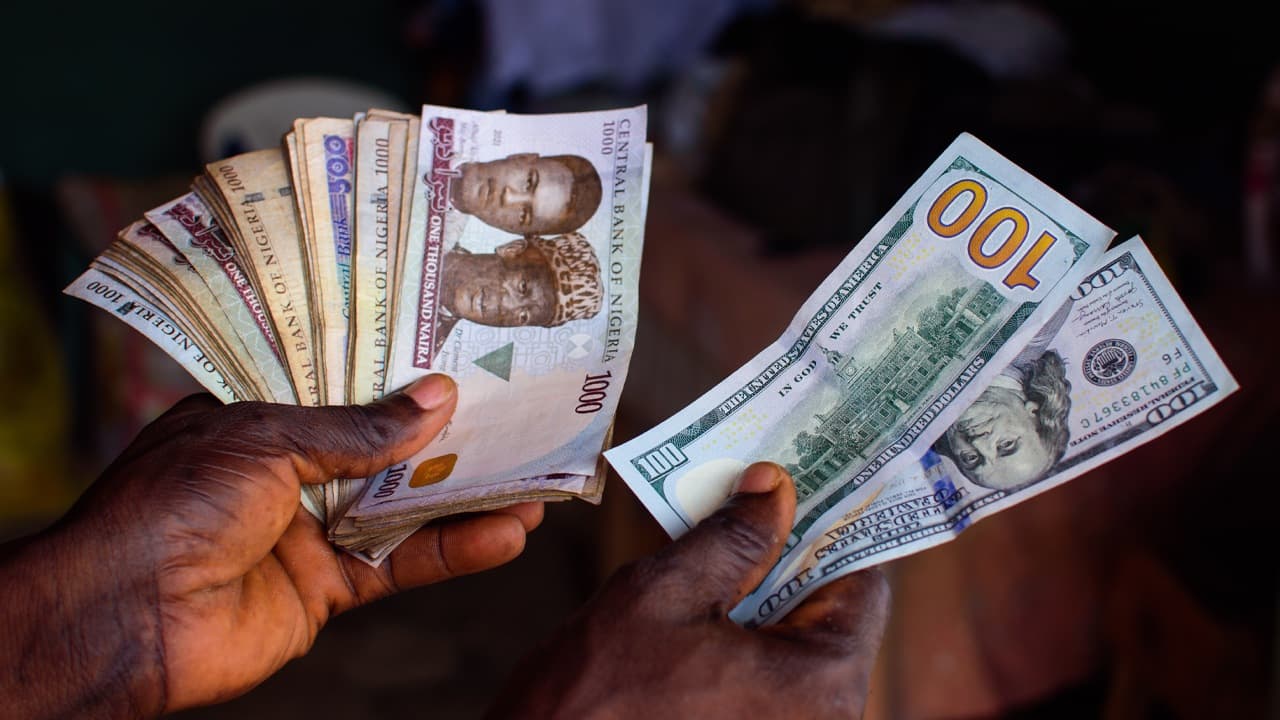
Despite articulating valid reasons for de-dollarization in the Global South, African leaders face a tough challenge in convincing their citizens to trust national currencies without reforming economic management practices. People often lose confidence in a currency when central banks excessively print money to cover debts and obligations.
De-Dollarization Hype Not Backed by Practical Action
In 2023, Kenyan President William Ruto questioned the necessity of using U.S. dollars for trade between Kenya and Djibouti, pointing out that it made no sense for these countries to rely on the greenback. His remarks resonated with many in the Global South, but the issue of dollarization has been a longstanding concern that hasn't gained enough traction to prompt significant change.
The U.S. dollar's dominance was rarely seen as a threat until the U.S. used its currency's power to impose sanctions on Russia after the Ukraine invasion. This action led many countries to consider alternatives to the dollar, with the BRICS bloc emerging as a potential challenger to U.S. currency hegemony. However, the lack of a concrete plan for a BRICS currency rollout has left many countries disillusioned.
U.S. Dollar as a Store of Value
Despite the push for alternatives, the U.S. dollar remains the preferred currency in many African nations due to rampant inflation and a lack of confidence in local currencies. Many citizens opt for dollar transactions rather than risk their savings in unstable national currencies. Central banks' poor management often leads to runaway inflation, driving citizens and traders to prefer the dollar.
The Kenyan President's plea for local currency usage has seen mixed results, with some countries banning foreign currencies but failing to increase confidence in their own. As long as African nations struggle with currency management, the dollar will continue to be viewed as a reliable store of value, forcing traders to demand payments in dollars and further complicating local economies.
Until significant improvements are made in currency management, the U.S. dollar will remain the dominant choice for transactions in Africa, leaving nations grappling with economic challenges.
- #dedollarization
- #globaleconomy
- #africa
- #uscurrency
- #inflation
Comments · 0