
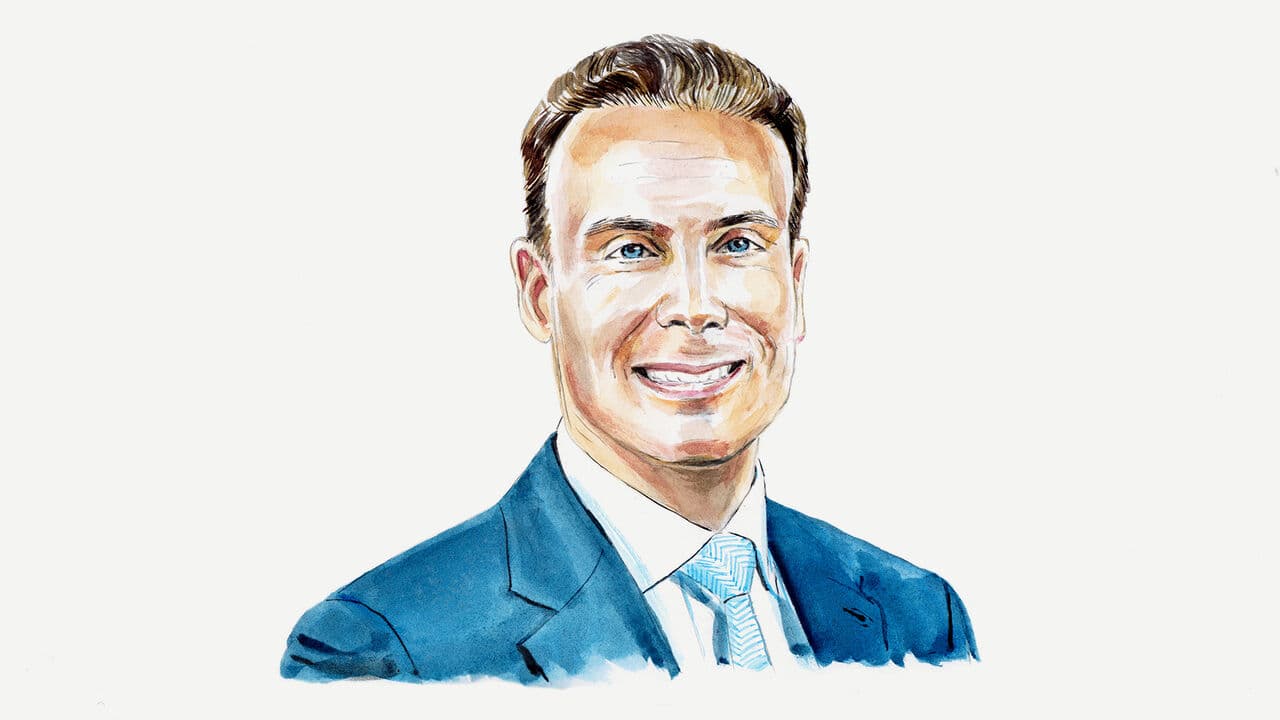
The global derivatives market has entered a new era, and the United States is at the forefront. For decades, derivatives—financial contracts such as futures, options, and swaps—have been essential tools for managing risk and allocating capital. Today, this market boasts a notional value exceeding $1.2 quadrillion, with nearly half under the jurisdiction of the Commodity Futures Trading Commission (CFTC), led by Michael Selig since December.
In a recent piece for The Economist, Selig argues that innovation, not consensus, is the driving force behind America's leadership. The US is embracing crypto assets, prediction markets, and 24-hour trading, while Europe lags due to restrictive regulations. Selig asserts that America will not import regulatory fashions that hold markets back.
The US Edge: Innovation Over Regulation
The US approach contrasts sharply with Europe's. While Europe focuses on harmonization and caution, the US fosters an environment where new financial products can thrive. This has led to a surge in crypto derivatives, allowing investors to hedge and speculate on digital assets like Bitcoin and Ethereum. Prediction markets, which let traders bet on future events, are also gaining traction, offering unique insights into everything from elections to climate change.
24-hour trading is another frontier. Traditional markets close, but the crypto market never sleeps. The CFTC is adapting to this reality, ensuring that US markets remain competitive globally. Selig emphasizes that this flexibility is crucial for maintaining America's financial dominance.
The Role of the CFTC
Under Selig's leadership, the CFTC is prioritizing innovation while ensuring market integrity. The agency is working to provide clear regulatory frameworks that protect investors without stifling growth. This balance is essential for attracting talent and capital to US markets.
A Call for Global Cooperation
While the US leads, Selig acknowledges the need for international coordination. However, he insists that cooperation should not come at the cost of innovation. The US will continue to set the pace, and others may follow—but only if they embrace change rather than resist it.
In this new era of finance, innovation is the key to prosperity. The US is not just participating; it is shaping the future of global markets.



Comments
No comments yet
Be the first to share your thoughts and start the conversation!