Sam Altman Admits He Was Wrong: AI Job Apocalypse Delayed as Studies Show Minimal Impact
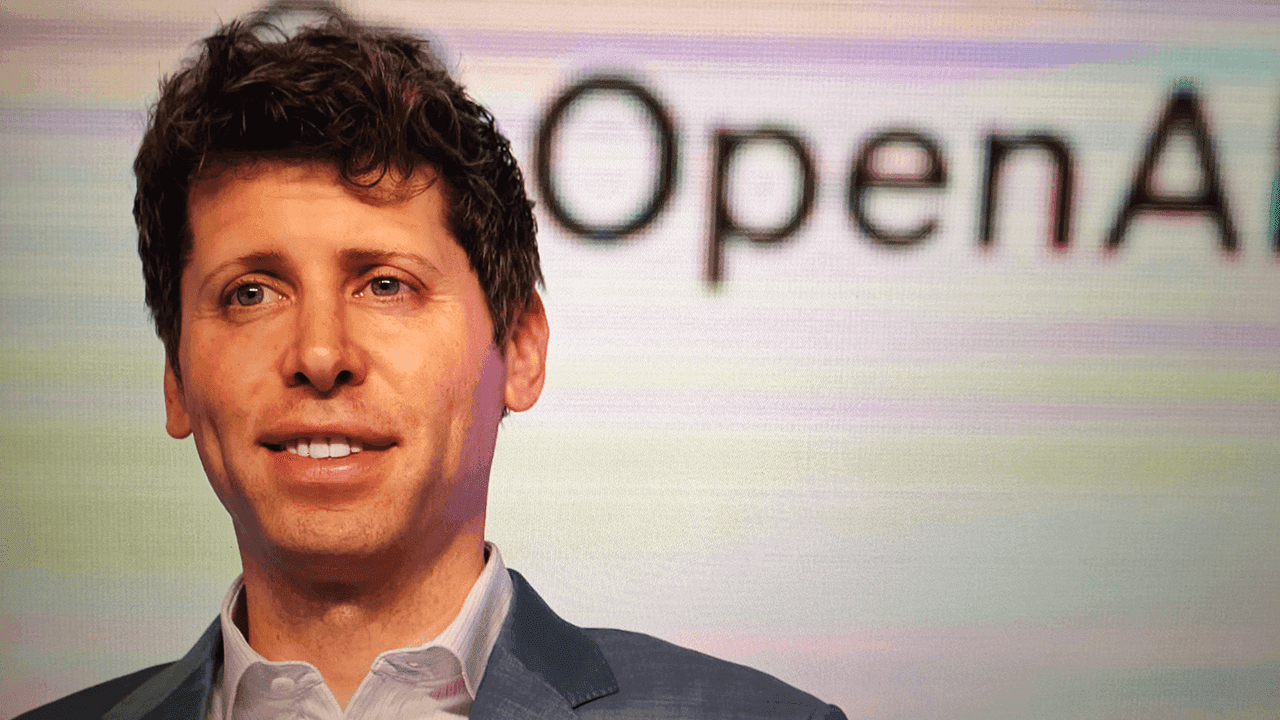
In a surprising reversal, OpenAI CEO Sam Altman now acknowledges that his dire warnings about AI-driven job losses were premature. Recent studies from the Yale Budget Lab, Brookings Institution, and Anthropic reveal that generative AI has caused limited labor disruption so far, even as adoption rises.
Key Takeaways
- Sam Altman said in a May 2026 interview that fears of mass AI layoffs were overstated.
- Brookings and Yale Budget Lab found minimal labor-market effects from AI through 2026.
- Anthropic warned of a gap between AI’s theoretical capabilities and actual deployment, slowing workforce replacement.
Sam Altman Revises His Stance on AI and Employment
Altman, who once singled out entry-level white-collar roles as vulnerable, now says the "employment apocalypse" he feared has not materialized. He acknowledged that current evidence does not support a sweeping labor-market shock.
Studies Suggest Minimal Job Disruptions So Far
Research paints a calmer picture than early alarm. The Brookings Institution and Yale Budget Lab report limited effects from generative AI, while Anthropic describes hurdles like process design, compliance, and accuracy requirements that slow real-world substitution.
The Rise of ‘AI Washing’ in Corporate Layoffs
Altman also called out "AI washing" — companies blaming layoffs on AI when cuts were already planned for other reasons. Critics argue this practice muddies the debate about automation and risks masking issues like debt loads, slowing demand, or post-merger integrations.
OpenAI’s ChatGPT and Its Ripple Effects
Since ChatGPT’s launch in late 2022, AI trials have accelerated in customer support, coding, and marketing. Altman’s updated view suggests a slower grind: augmentation is spreading, but full task replacement remains selective, depending on data access, security reviews, and integration with tools from Microsoft and others.
Growing Calls for Safeguards in the AI Era
Even with modest disruption so far, the long arc remains unclear. Think tanks and global figures like Pope Francis are calling for guardrails: training, worker transition support, and transparency on AI use. Altman’s message lands in the middle ground: AI is reshaping workflows, but mass displacement has not arrived, and policy work should move in tandem with deployment.
- #ai
- #jobmarket
- #openai
- #samaltman
- #automation
Comments · 0