Vitalik Buterin's Bold Vision: 2026 Marks Ethereum's Comeback to Self-Sovereignty and Trustlessness
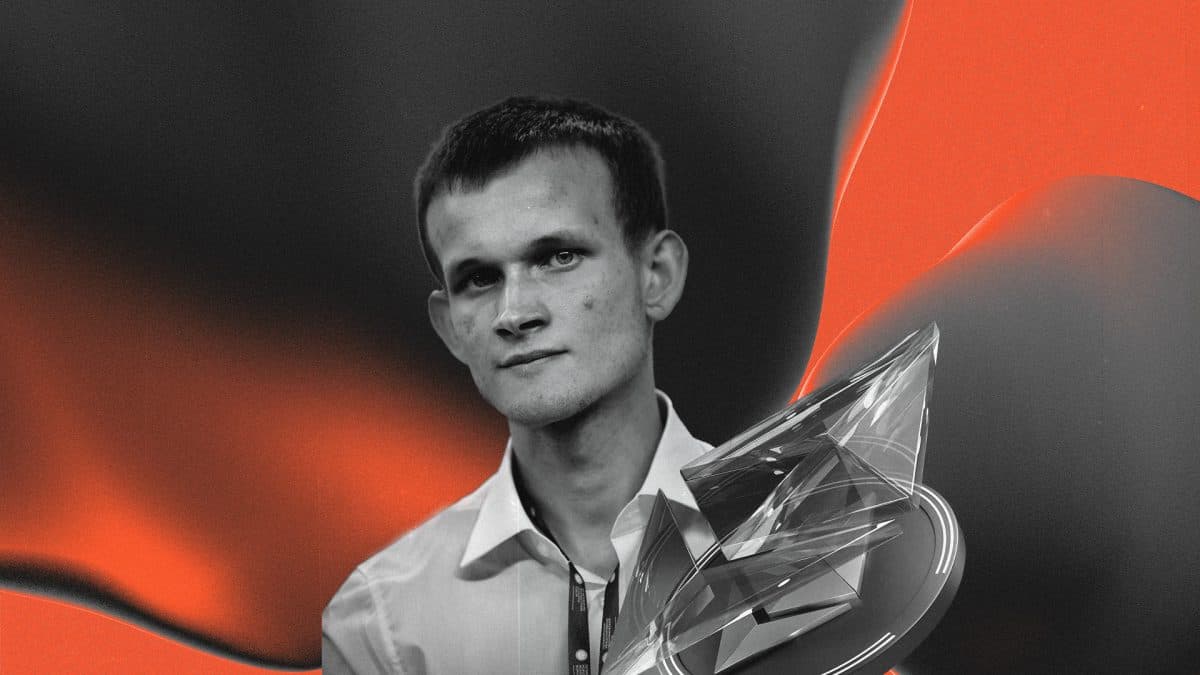
Vitalik Buterin has pledged that 2026 will be the year the Ethereum community begins to reverse the 'backsliding' of personal autonomy in crypto.
In a recent X post, Buterin declared, '2026 is the year that we take back lost ground in terms of self-sovereignty and trustlessness.' This announcement signals a major shift for Ethereum, focusing on reclaiming core values that have eroded over time.
Key Improvements on the Horizon
Buterin outlined several critical areas for enhancement:
- Boosting onchain privacy through initiatives like the Kohaku effort at the Ethereum Foundation.
- Making it easier to run a full node, use dapps, and take control over personal data.
- Implementing social recovery wallets and timelocks to prevent loss of funds from misplaced seed phrases, a feature that started gaining traction with EIP-7702 during Ethereum's Pectra upgrade.
- Improving privacy UX to enable private payments with the same ease as public ones.
Ongoing Efforts and Future Upgrades
Ethereum developers have been laying the groundwork for these improvements, targeting upcoming upgrades like Glamsterdam. The Ethereum Foundation has refocused its Privacy Cluster and is working on the Kohaku wallet framework. Other proposals, such as ERC-4337 for account abstraction and FOCIL, aim to enhance censorship resistance.
Buterin emphasized the importance of using dapps from onchain UIs with IPFS to avoid reliance on trusted servers, which could compromise asset recovery or security. He also highlighted tools like the Helios client, which allows trustless interaction with Ethereum without running a full node, and cryptographic techniques like Oblivious RAM (ORAM) and Private Information Retrieval (PIR) to prevent privacy leaks.
Addressing Past Compromises
Buterin acknowledged that Ethereum has seen serious backsliding in recent years, with nodes becoming harder to run, dapps leaking data, and increased centralization in block building. He stated, 'In 2026, no longer. Every compromise of values that Ethereum has made up to this point... we are making that compromise no longer.'
This vision aims to restore Ethereum's foundational principles, ensuring it remains a robust and user-centric ecosystem.
- #ethereum
- #vitalikbuterin
- #privacy
- #blockchain
- #decentralization
Comments · 0